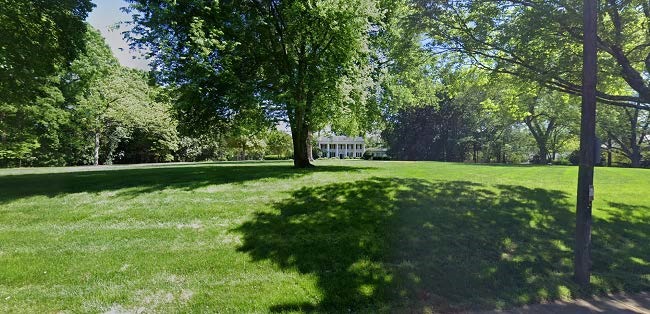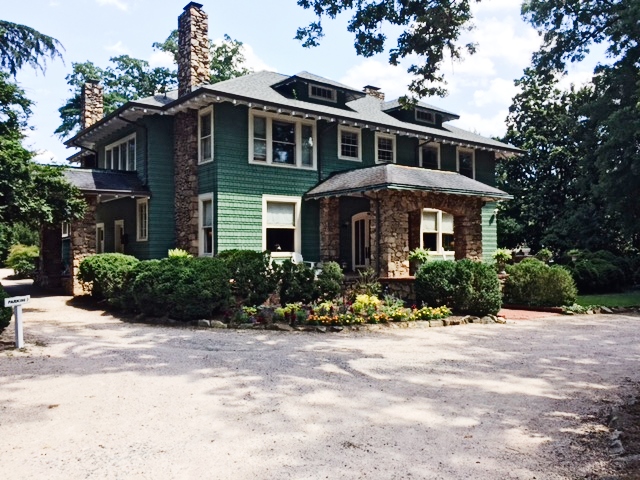
Charlotte’s West End has factored prominently in the history of the city’s African-American community since the nineteenth century. Anchored by Johnson C. Smith University (JCSU), which was founded in 1867, the area has developed into numerous neighborhoods, including the McCrorey Heights, Oaklawn Park, Lincoln Heights, and Dalebrook communities profiled below. Additional information about these neighborhoods and other areas along the Beatties Ford Road corridor may be found at the historysouth.org website, authored by Charlotte historian Dr. Tom Hanchett. Also, the staff of JCSU’s James B. Duke Memorial Library has created an extensive website entitled “Charlotte’s Historic West End” about the historic neighborhoods and communities that surround the University, including the neighborhoods profiled here. The site offers an informative interactive map of the lower Beatties Ford Road corridor accompanied by a wealth of online resources – newspaper articles, plat maps, photographs, oral histories, and other materials – about the West End communities and historic resources that have contributed to the Queen City for more than a century.
McCrorey Heights
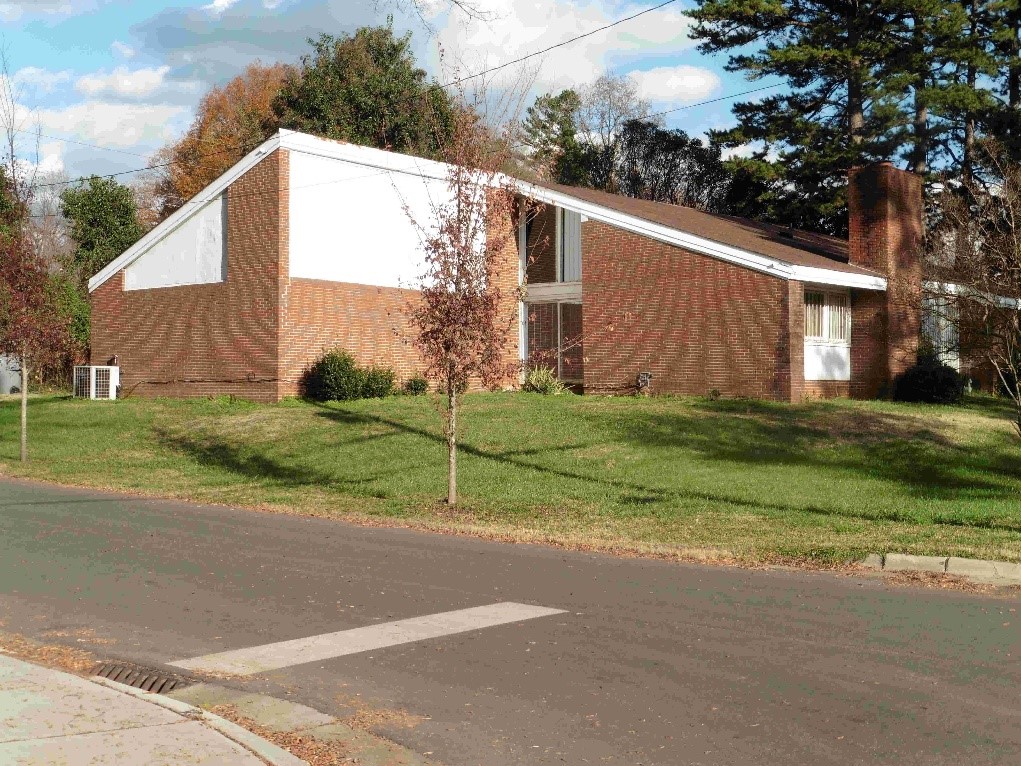
Matilda Spears House
by architect Harvey Gantt
1648 Patton Avenue
Leland S. Cozart House
1015 Clifton Avenue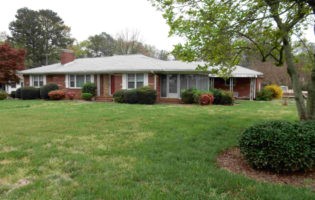
Charles V. Bell House
1645 Madison Avenue
McCrorey Heights, located northeast of the JCSU campus, just adjacent to the I-77/I-277 exchange, started in 1912, thanks to the efforts of then-JCSU president Reverend Henry L. McCrorey, who served the University in that capacity for forty years. The neighborhood grew quickly between the early 1950s and early 1970s into what historian Tom Hanchett has described as “a premier neighborhood for Charlotte’s highly educated African American elite.” Many McCrorey Heights residents participated actively in the civil rights movement, offering their support locally, regionally, and nationally. A thorough historical and architectural study of the McCrorey Heights neighborhood authored by Dr. Hanchett may be found here. The neighborhood currently includes approximately 167 homes, many of which are mid-twentieth-century custom-designed brick ranch-style houses.
Oaklawn Park

Grady McDonald House
1438 Dean Street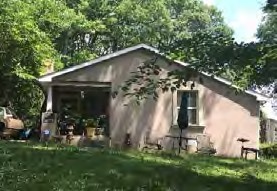
J.C. Reynolds House
1528 Jennings Street
Thomas Chiles House
1816 Russell Avenue
Dating back to 1954, the Oaklawn Park neighborhood lies just north of McCrorey Heights. Oaklawn Park was designed and built by Charles Ervin, a Charlotte-based developer whose Ervin Construction Company became the nation’s seventh largest homebuilder by the 1960s. According to Dr. Hanchett, the neighborhood was constructed specifically for African-American families during the waning days of racial segregation, and is one of Charlotte’s best-preserved post-World War II suburbs. The primarily blue-collar neighborhood also counted among its residents several educators, school principals, ministers, and physicians. In part because the neighborhood, consisting primarily of brick ranch houses and split levels, remains as originally platted and built between 1954 and 1961, the Charlotte Historic District Commission has been working with residents to secure a historic district designation for Oaklawn Park. Those efforts have generated several valuable informational resources about Oaklawn Park, including an extensive property-by-property neighborhood survey and a local district designation report that incorporates a historical essay authored by Dr. Hanchett.
Lincoln Heights

2208 Irma Street 
1800 Catherine Simmons Avenue 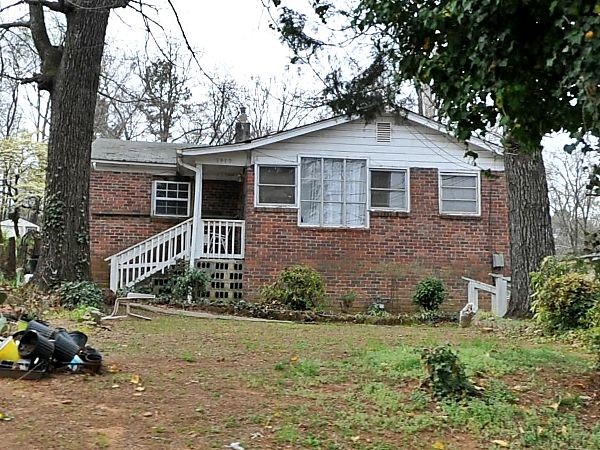
1913 Newland Road
In the 1920s, the Southern Realty and Development Corporation initially developed the Lincoln Heights neighborhood as a subdivision for white Charlotteans, and even attempted to lure Durham’s Duke University to relocate to Charlotte’s West End. Those efforts proved unsuccessful, leaving the neighborhood largely undeveloped until the post-World War II era. Lincoln Heights experienced significant growth in the 1950s and 1960s due in large part to the forced relocation of African-American families in the wake of the urban renewal that razed downtown’s Brooklyn neighborhood. Lincoln Heights is currently the home of Northwest School of the Arts (formerly West Charlotte High School), Lincoln Heights Neighborhood Park, and the Beatties Ford Road branch of the Charlotte Mecklenburg Public Library. A brief history of Lincoln Heights can be found here, and several related historic resources may be found under the “Lincoln Heights” entry on the interactive map available on the “Charlotte’s Historic West End” website hosted by JCSU’s James B. Duke Memorial Library.
Dalebrook

2526 Pinestream Drive 
1813 Trentwood Place 
2519 Dalebrook Drive
Dalebrook, another neighborhood designed and built by Charles Ervin and his Ervin Construction Company, launched in 1960 and quickly sold out within its first year. The self-contained community (located within the larger Lincoln Heights neighborhood) was the premier neighborhood in northwest Charlotte in the early 1960s, but was specifically intended as a segregated subdivision from its inception. Dalebrook was also the boyhood community for former Charlotte Mayor and U.S. Secretary of Transportation Anthony Foxx. A brief history of Dalebrook can be found here, and several related historic resources may be found under the “Dalebrook” entry on the interactive map available on the “Charlotte’s Historic West End” website hosted by JCSU’s James B. Duke Memorial Library.